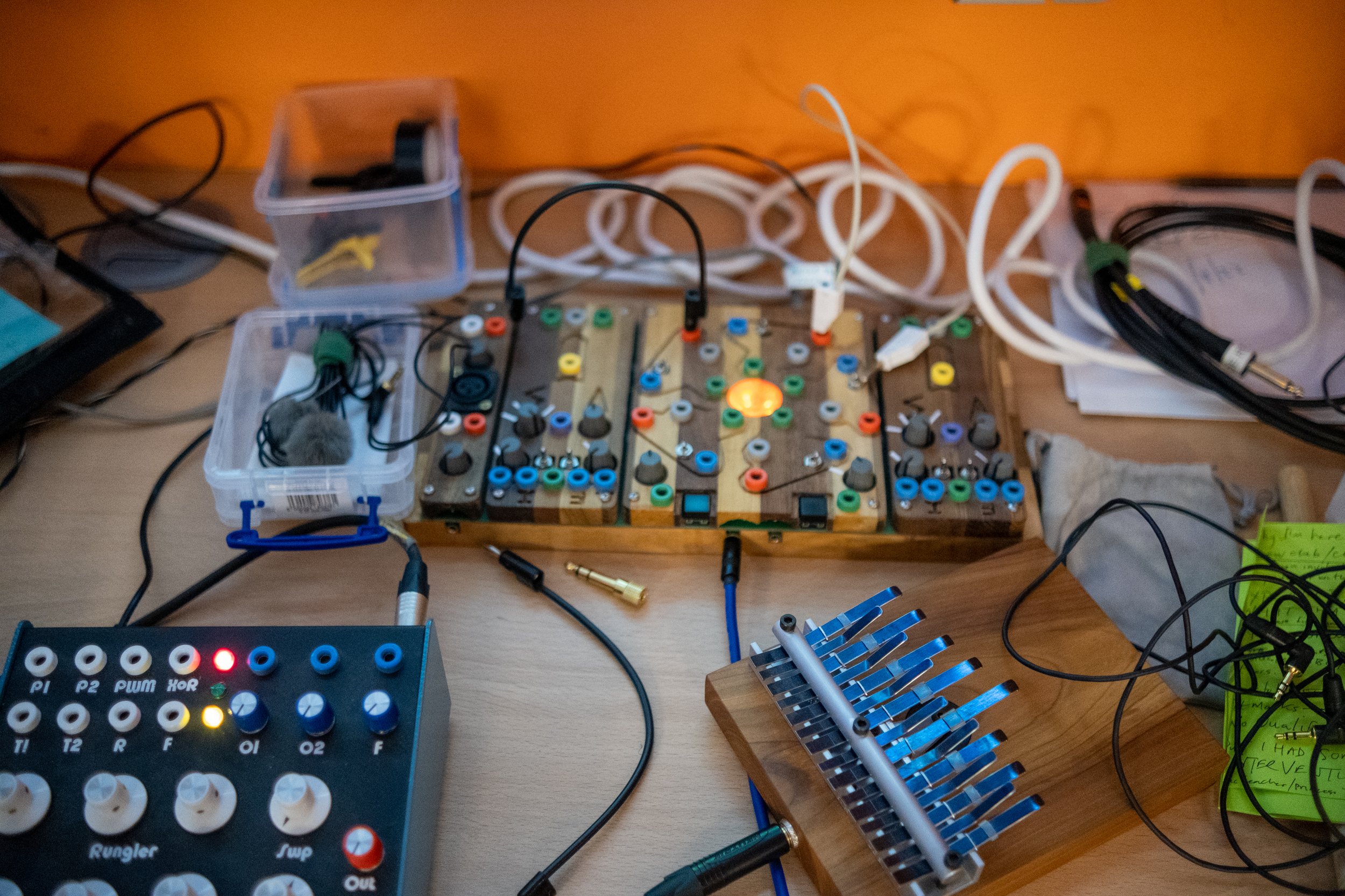
Just arrived for a 5 day residency at Walmer Yard to continue structural resonance and architectural fantasies exploration with Max De Wardener.
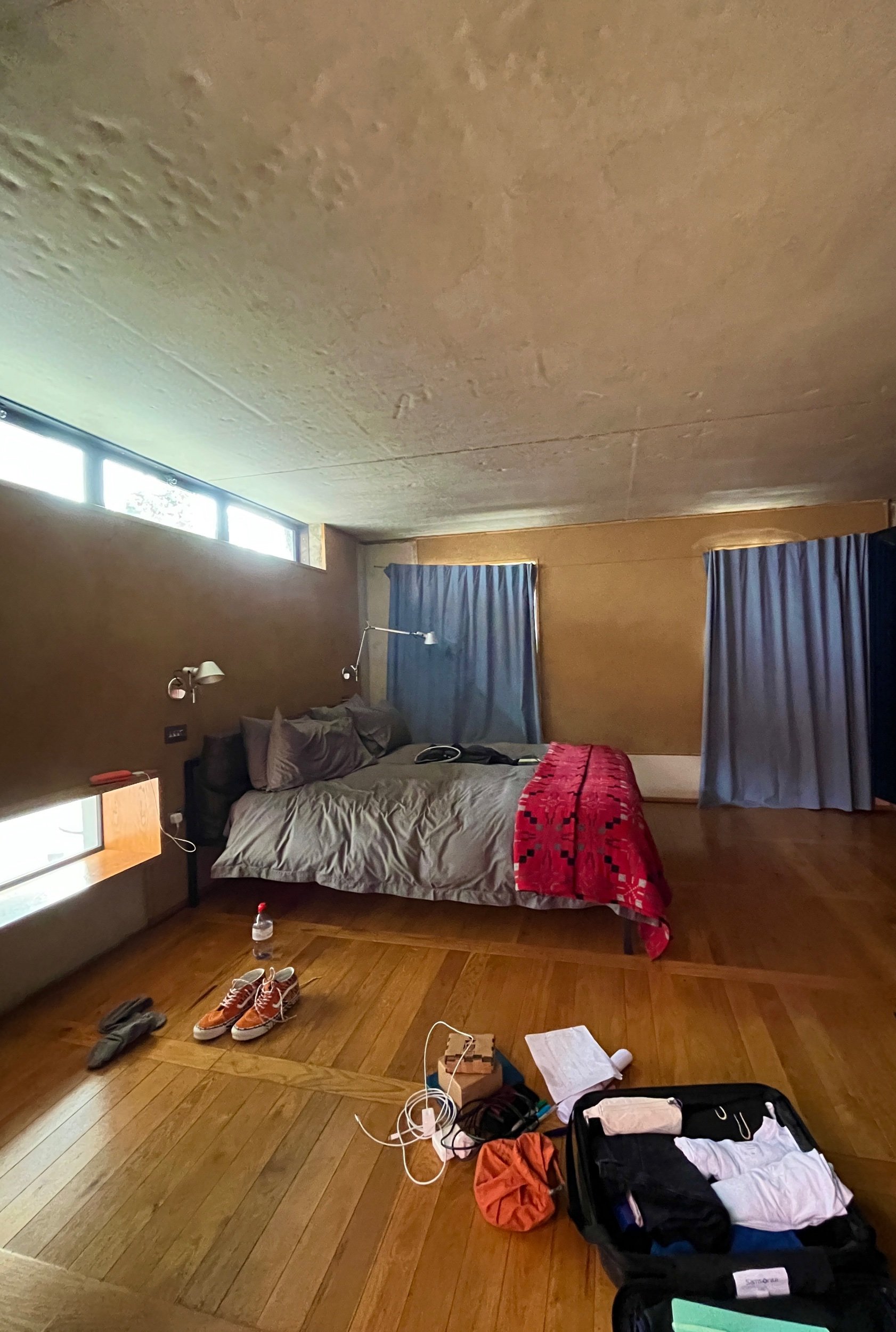
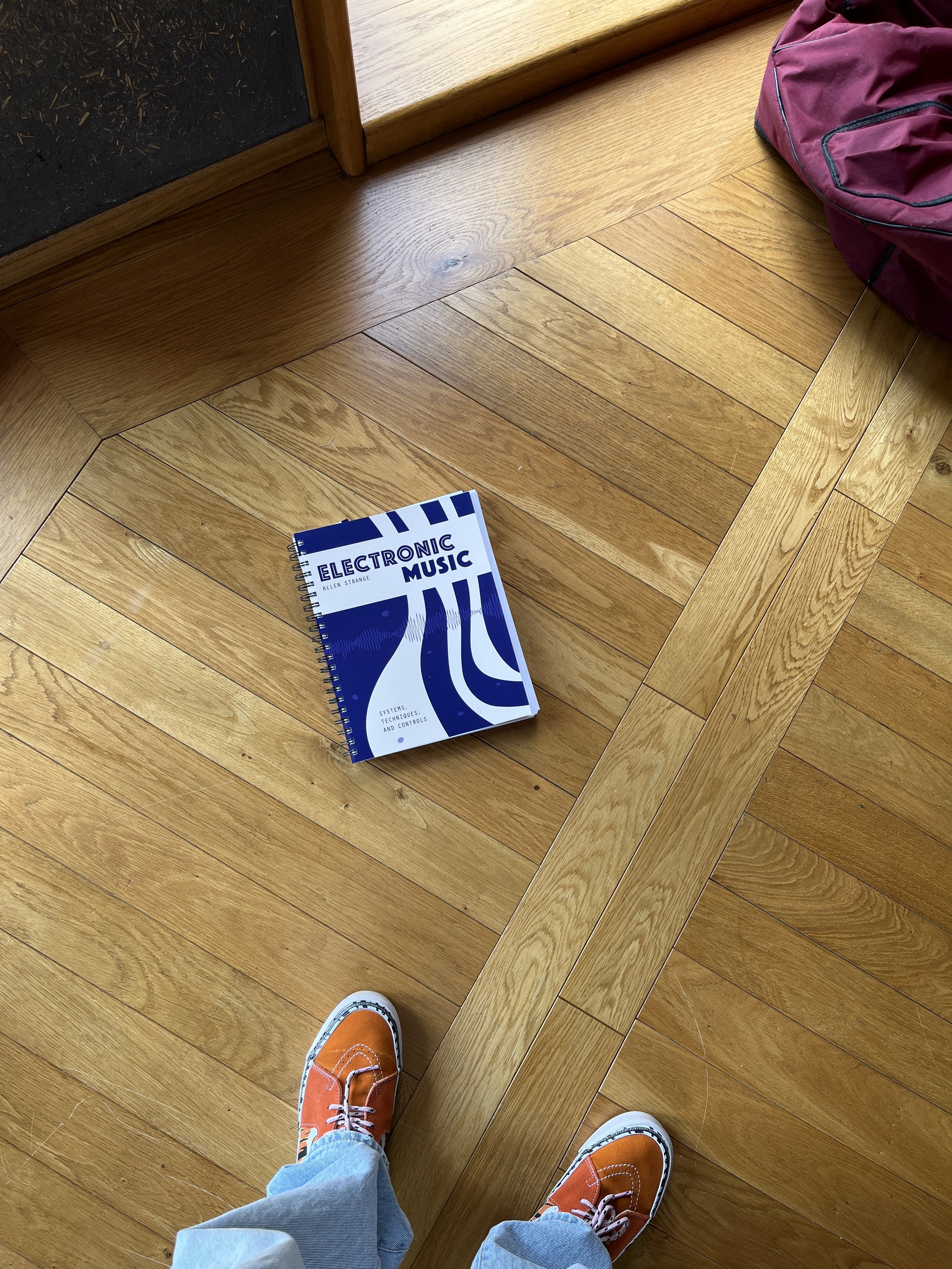
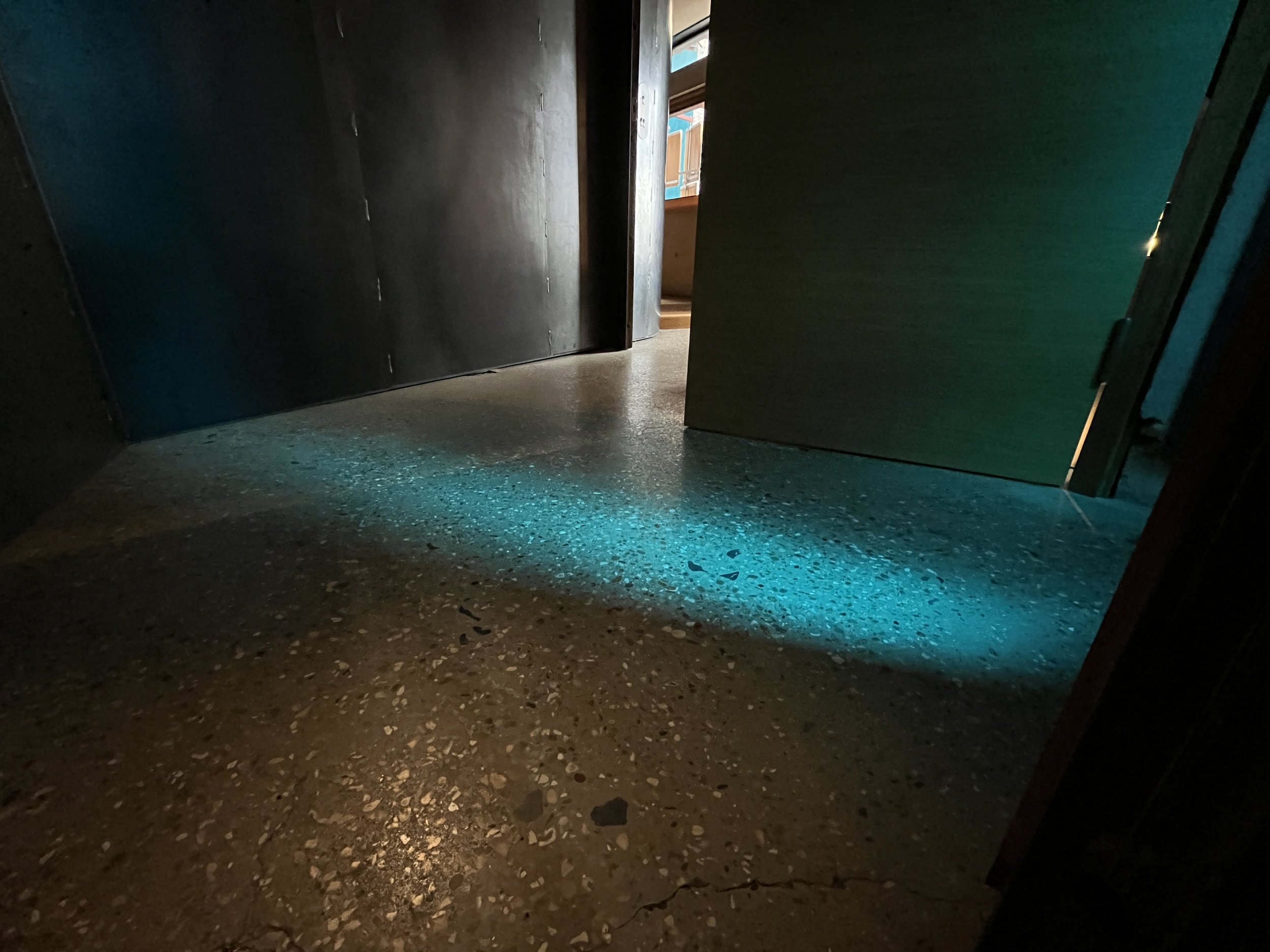
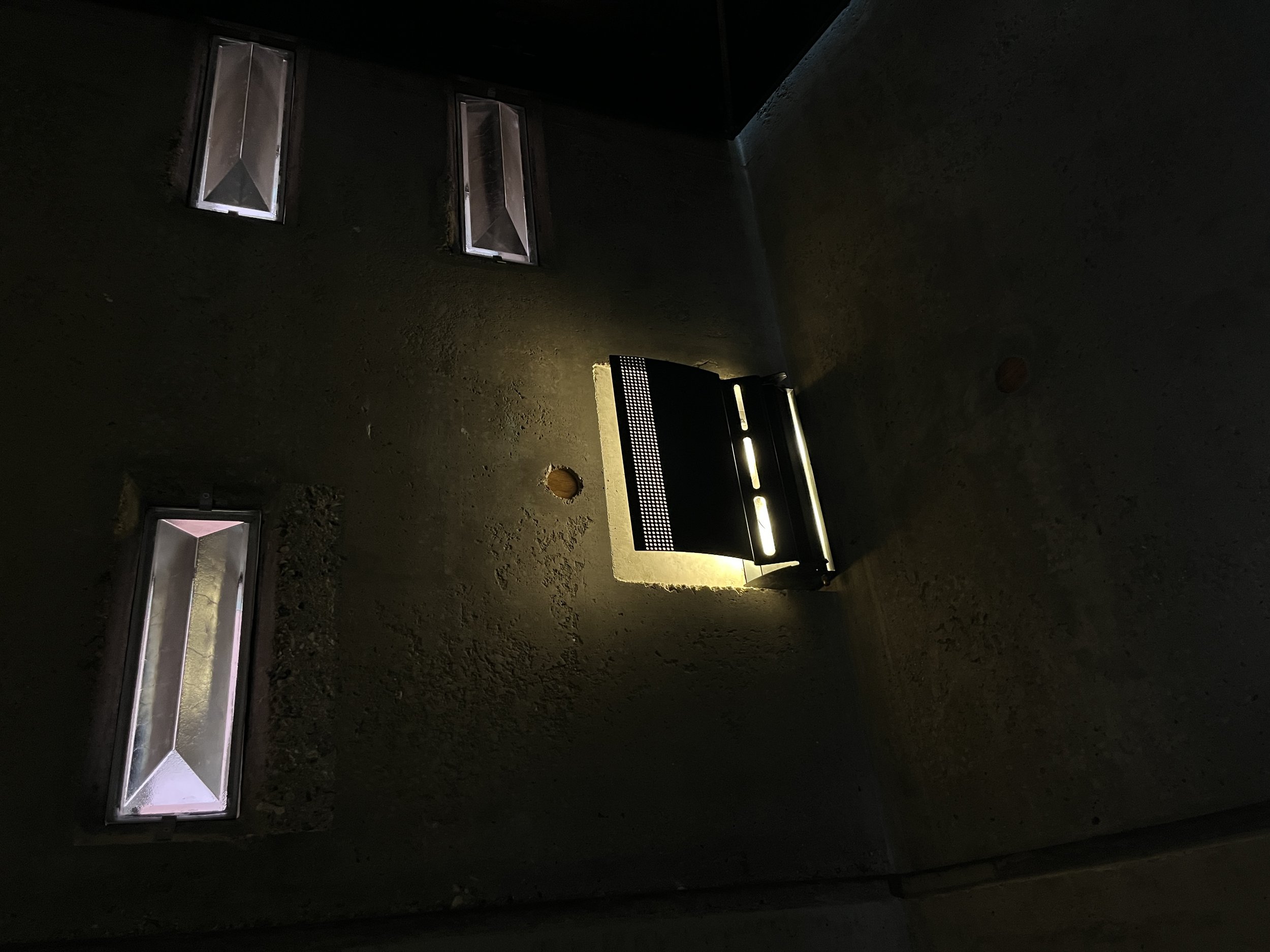
Just arrived for a 5 day residency at Walmer Yard to continue structural resonance and architectural fantasies exploration with Max De Wardener.
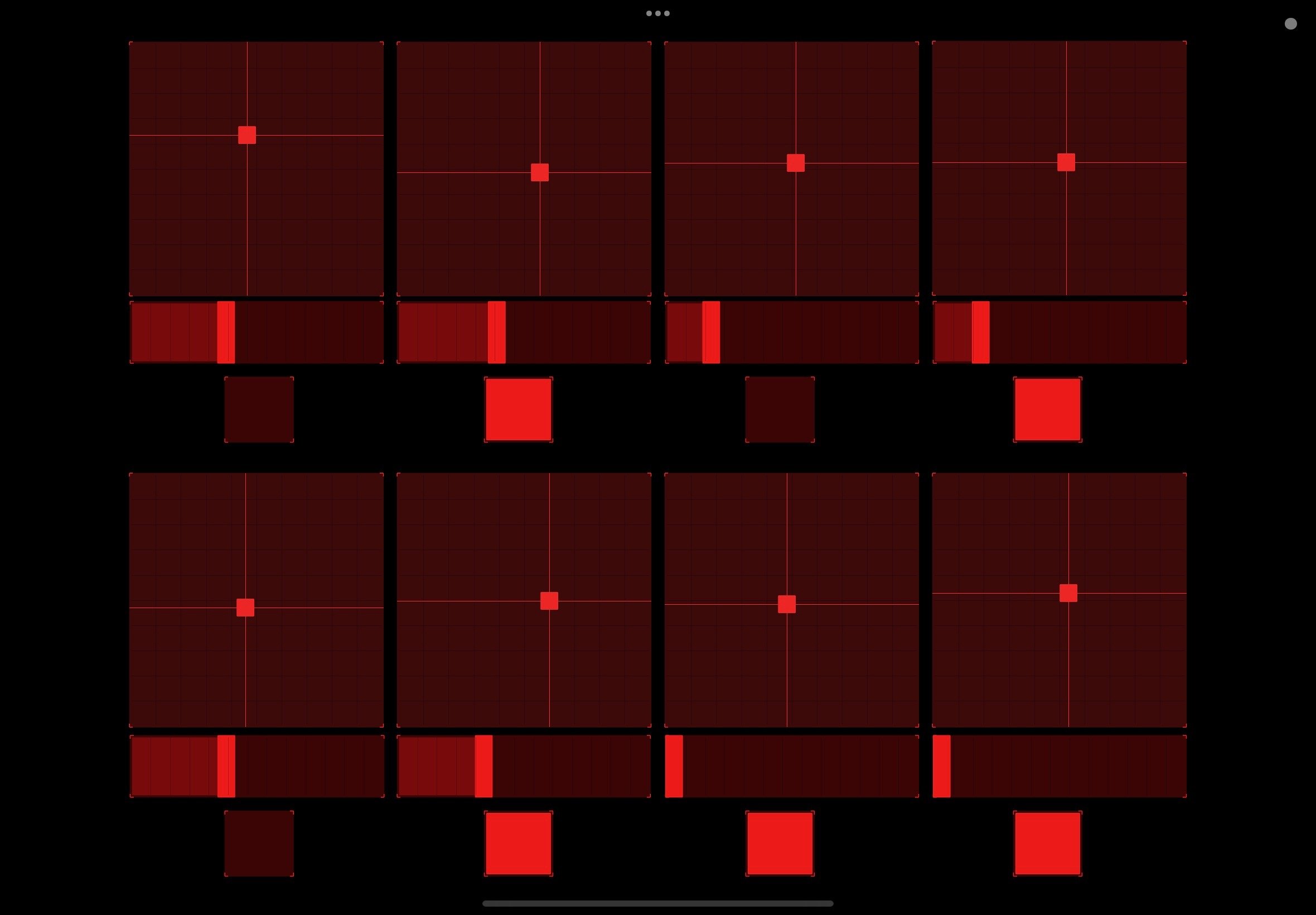
Structural resonances and architectural fantasies at the RIBA Gallery in Portland Place, London. Using Buchla Electric Music Box, Wingie resonator and contact mics and a transducer to interact with airborne sound and structural borne sound from the gallery itself. A custom control surface for spatial movement on the 7.1 speaker system was designed using Touch OSC.

Photo by Jim Stephenson

Photo by Jim Stephenson

Custom control interface for spatial control of electronic sources, field recordings and feedback
This building-as-camera projection is amplified by the sounds layered over the footage: vibrations to the fabric of the building in the form of footsteps, bangs and knocks, rain and wind, captured by sound artist Simon James using contact mics, like sound through a stethoscope.
A lovely review of The Architect has Left the Building film/exhibition with Jim Stephenson and Sofia Smith at RIBA. Read it here.
The exhibition runs until August 12th. Find out more here.

The buildings start to seem alive, just on a life cycle far slower than that of the people that crawl in and around them. Like the mountains that folklore claims to be sleeping giants, the buildings patiently await the transfiguration that comes with time.
Space as a continuation of certain, wonderous, eerie expectations: we don’t know what it is about. This roar, the slight light and movement.
Keiko Prince on sound artist Maryanne Amacher.
I’ll be channelling that energy at a RIBA Lates performance on the 22nd of June.
Sounding the Shadows, by musician and sound artist Simon James, is an exploration of structural resonances and architectural fantasies; a multi speaker 'sound environment' created for and performed live in RIBA's Portland Place Gallery, mixing Buchla Electronic Synthesizer with field recordings of buildings and spaces from Simon’s archive.
I’m really excited to announce this collaboration with Jim Stephenson and Sofia Smith who I’ve worked with on a number of films (see here and here for just two examples). The joy of working with people who appreciate the power of sound in all its subtleties is immense and this commission has seen us work together on our most ambitious project yet. The Architect has Left the Building is a multi screen, multi speaker film commissioned by RIBA and is being shown at their Portland Place gallery from the 3rd of June to the 12th of August.

“Weaving together moments of architectural joy and intimacy drawn from the professional archives of renowned photographer and filmmaker Jim Stephenson”
More details here. I’ll write more about this when I can form more than basic sentences, but I’m so pleased with how this has come together, and really proud to have mixed my first multi speaker work for this RIBA commission and delivered sound captions for the beautiful book designed by Emily Macaulay who has also created all of the exhibition branding and signage. A dream team to work with. Ok now I’m going to play the new Zelda game with my son…….
Out today on Sky Cinema. Creatively rewarding collaboration with composer Max de Warderner. Highlight was ditching the expensive Buchla synthesizer and turning to kitchen utensils instead.

I got up very early a few weeks ago to record this. Find it on Bandcamp pay what you can afford, all proceeds to Class Divide education.
And please check out the Class Divide podcast series, now in to its 5th episode, deep explorations of education inequality.

Logo design by Stanley James Press
Whitehawk is classed as one of the UK's most deprived communities, but alongside the negative data, inherent stigma, and the tarmac and terraced houses, there are many hidden treasures.
One of those treasures is Whitehawk Hill Nature Reserve, beneath which lie the remains of one of the UK's most important archaeological sites. It is also one of Britain's rarest natural habitats.
Let the sounds of an awakening community and the nature that surrounds it transport you into a realm where time transcends and perceptions are shattered. As the symphony of Whitehawk Hill unfolds, you will discover a community that defies expectations and challenges preconceived notions.
All proceeds from the sale of this soundscape will go to Whitehawk campaign group Class Divide.
Class Divide is a politically independent grassroots campaign fighting to draw attention to the deeply injust educational attainment gap for young people from the communities of Whitehawk, Manor Farm and Bristol Estate in Brighton and Hove.
The campaign is made up of parents, residents, experts and supporters who have experienced these problems or have expertise in education.
It has been a really hectic start to the year with some major commercial work needing my focus and the continuing production on the Class Divide audio documentary.
I have managed to stay in touch with sound and developing my practice though, devouring Maryanne Amacher’s Selected Writings and Interviews, experimenting with spatial sound using a new quad monitor set up, taking part in a beautiful Deep Listening workshop, and writing new proposals for residencies, one of which I’m really excited about because it has just been confirmed. Later this year I’ll be working with Max de Wardner creating ‘sound environments’ in some very interesting architectural spaces! More on that later.
I also saw Thomas Willow’s ethereal Eclipse, a ‘solar eclipse smoke machine’. The moment I read the words smoke machine, I was in! Smoke machines and strobes were the only light show I needed in the ‘90s. Situated in an old lock up garage on a Hove back street made this even more magical. Like a portal to another dimension had just appeared.

Eclipse by Studio Thomas Willow
Looking forward to performing with Ascsoms and Jo Thomas at Spirit of Gravity in Brighton on Thursday 2nd March. It will be the first time I share some early ideas from South of Shoreham Port.
Over two years of listening and recording around Shoreham Port I’ve had many experiences of what I describe as Phantom Sounds. They are fleeting, carried on the wind, dissipating the moment I turn my attention to them, leaving me to wonder if they were real or imagined. I’ll share extracts from my collection of field recordings and the Buchla Electric Music Box will provide the phantoms. This is a first public sharing of part of an ambitious large scale project focussed on the area around Shoreham Port, which sits just over the road from my house.

I’m stood behind a new section of sea defences at Shoreham Port, listening to the power of the waves splash across boulders, then spray across the metal beams that form a secondary line of defence.
Rusted metal, brown, orange, striped and burnt, numbers scrawled on the surface. I’ve positioned my microphone right up against these girders, listening to the sea and wind activate them.
I’ve also attached a geophone to the structure itself, allowing me to listen in directly to the low frequency vibrations as the sea smashes in to it.
The recording begins with the roar of the waves and as it progresses slowly we enter the sound world of the material, until all we are left with are the resonances and vibrations of the structure alone.

I can see across the defences and the sea looks angry and wild, too close for comfort, and I’m certain a wave will come crashing over at any moment.
Nervous, my feet move and I catch myself noticing the sound picked up by the microphone. I’m trying to let go of it. “I’m here! Ok? I made the recording and sometimes I might be in it”. I sniff, my foot scrapes against gravel, the rustle of my jacket.
I don’t want to have to hold myself so tightly when listening.
Behind me the lamppost beats out a steady rhythm as the wind vibrates the pole and the cable inside oscillates. A person, hood up, arms folded, sits on sea defences near the cars surveying the churned up sea.
My head swivels from left to right.
I’m counting down the minutes. It’s a funny way to listen.
My hood flaps in the wind.
My nose runs.
Amongst all this I’m somehow managing to listen to the sound as the wind blows across this sleeping, weather beaten, decrepit machinery.
It sounds like hundreds of shards of rock falling like hailstones. A wide shower of crumbling shaking movement.
I glimpse a fox in the distance.
A red glow from a building behind me.
This is a binaural recording so best experienced on headphones.

I wanted to write more but I was too nervous in this deserted space I could barely think. Aren’t these always the spaces where dark things happen? I did my best to remember some details.

A recording from an old haunt today. I’m doing post production on the Class Divide audio documentary this week and I needed to gather some ambience recordings from Whitehawk, the area through which the subject of education inequality is explored in the Class Divide series. I grew up here and this recording was made on a spot overlooking my old secondary school, surrounded by the hills of the beautiful valley in which Whitehawk sits.
Children’s voices and cries of excitement can be heard amongst the sounds of the many birds that call this valley their home. The sun was bright and warm but the cold November chill had crept in to my toes. Along the valley to the West a new sound, rattling and plasticky coming from a flock of sheep fleeing an unseen threat. The acoustics of the valley blur all these sounds as they echo off the hill, rebounding and dispersing. A couple in walking gear make their way down a muddy path and one of them slips falling to the ground. Vans and cars come and go reaching the dead end where I’m recording and manoeuvring back the way they came.
As I look over at my old school I’m reminded of two things. First the embarrassment of being forced to duet with my twin brother at the carol concert in our first year, and then possibly the beginnings of something, a tiny seed of a creative future. In the school hall was a very basic lighting controller box with faders for lights hung on bars from the ceiling. It was a glimpse of something different, not academic, the opportunity to play with the environment, to change it. A magical power.. Thank you Mr Hubbard for letting us play. Sorry we used the smoke machine to fill the toilets and school office……
Back in 2010 I made a set of ring tones using the legendary EMS VCS3 Synthesiser that Pablo from UNKLE/Toy Drum had lent me. The ring tones were shared to celebrate the release of The Simonsound Reverse Engineering LP, and over the years I often get people asking if I still have them, to which I usually reply, ‘I have no idea where they are!’.
Well yesterday I stumbled upon them whilst digging around an old drive, so I thought I’d share them again in case anyone wants some very strange and interesting ring tones.

Sign up to my mailing list here to get the full set of 12 EMS Synthi-VCS3 Ring Tones
I’m very excited to get the opportunity to experiment with the IEM/IKO 3d speaker this weekend on a short course at the University of Greenwich.

Unusually, this system uses beamforming, producing phantom sound sources on the surfaces of the performance space. By this, sculptural sound phenomena can be produced and experienced.
My twin brother Curtis (find him here) is making a podcast series called Class Divide that explores the complex and damaging issues of education inequality. It is based in the area where we grew up - Whitehawk in Brighton, and has been years in the making with deep research and interviews with many experts and the people who have suffered at the hands of the cruel, unfair system that both of us experienced first hand.
As part of that series Curtis has invited me to help young people in the area create some sound art that will form the 10th episode of the series. The aim is to give these young people an opportunity to make their own work and share something of their creation; stories, sound art, field recordings, live performance.
Through a series of workshops held at the brilliant Crew Club, I want to help them explore the rich and fulfilling world of sound and listening.
There is a beautiful cyclic nature to this project as both Curtis and myself were inspired by a group of visiting musicians when we were at school, and although I never got to study music as there weren’t enough places, this intervention changed and shaped the course of my life.

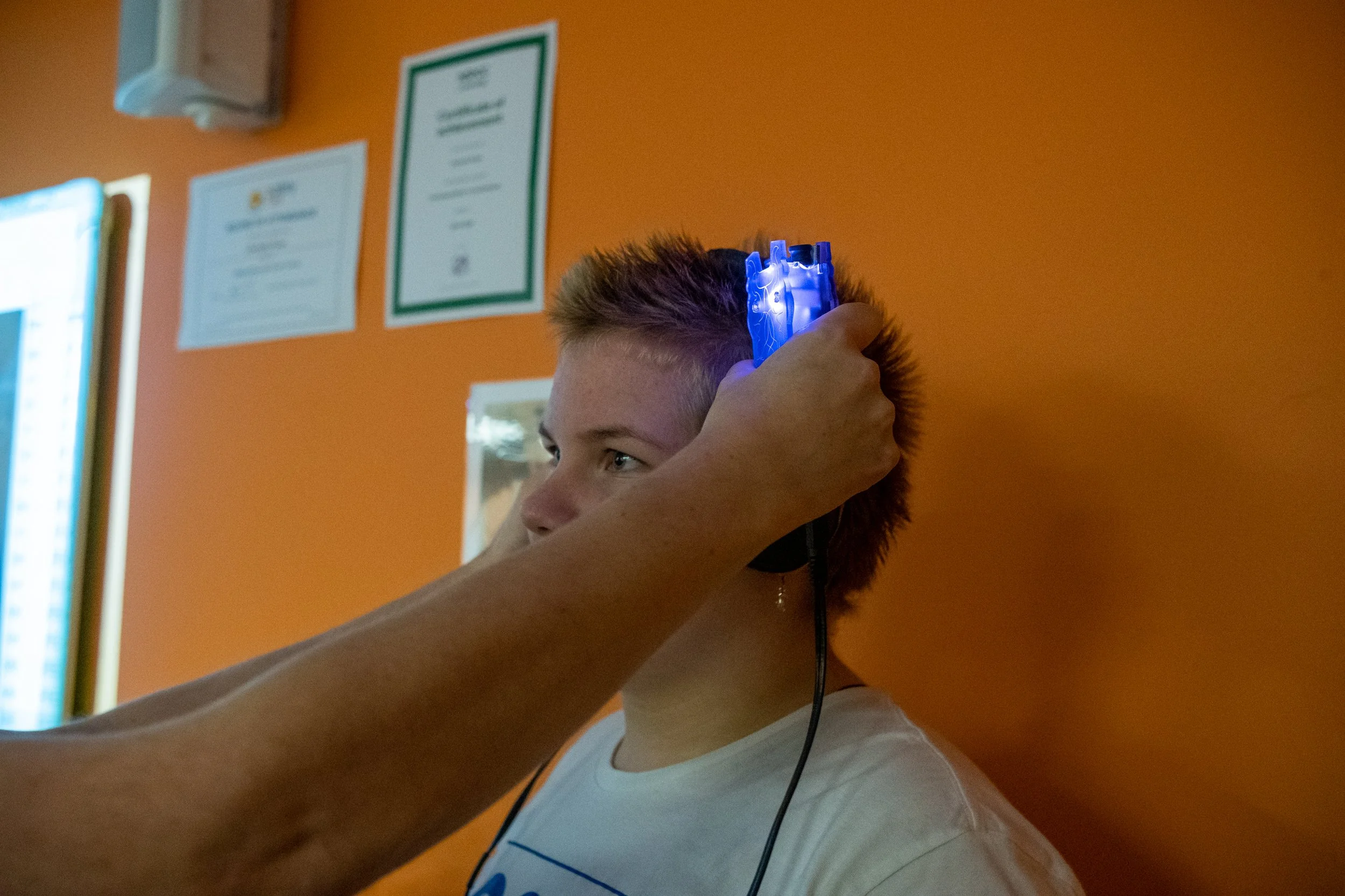
Photo by Jack Nielsen @ The Crew Club
Last week I went and shared my ideas with a handful of young people that attend The Crew Club. I wanted to ask them if they would like to work with me on this collaborative sound art project, as too often young people aren’t given a choice. I was nervous about this session - what if they didn’t like it? What if they thought it was too weird? I shouldn’t have worried. Young people are more open minded than we give them credit for.
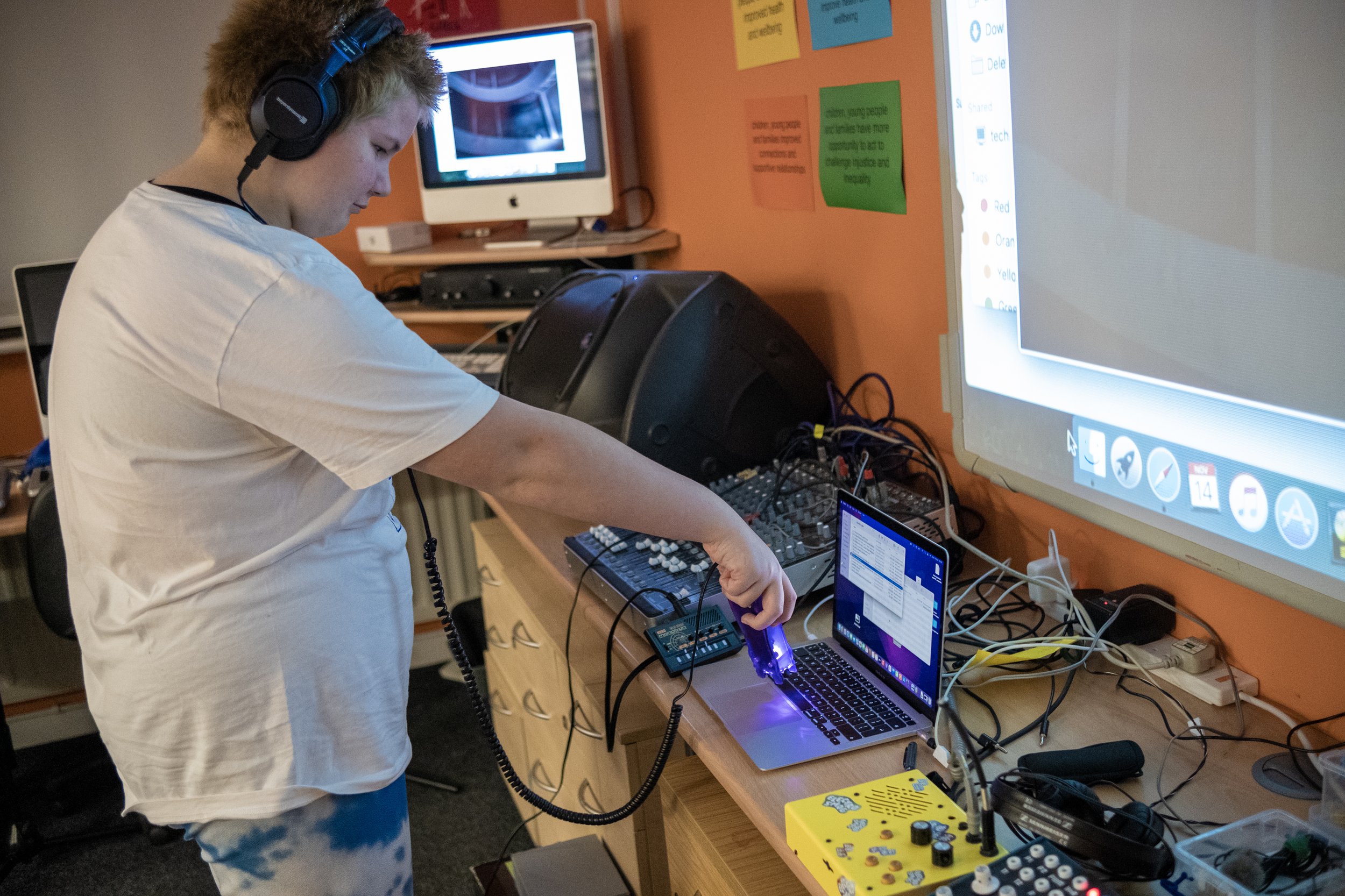
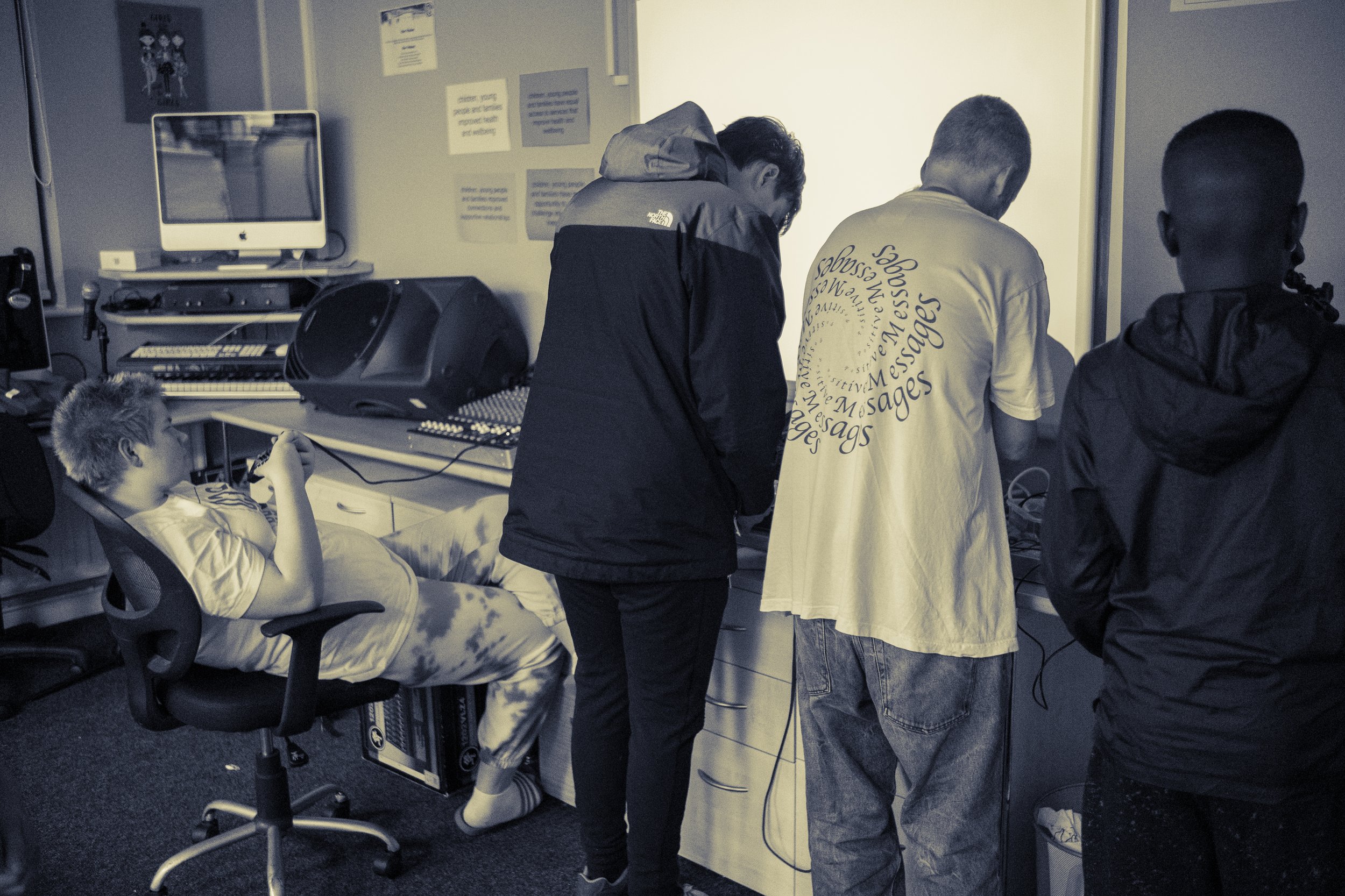
We discussed listening, sound art, field recording, John Cage’s 4’33” and then explored the Crew Club with contact microphones and electromagnetic microphones. The latter was a big hit, the young people amazed at the hidden sound world all around them. Finally we ended the evening playing electronic sound sources and mixing them with recordings we’d made around the space. This was my favourite part of the evening and we even attracted people from nearby who were interested in what we were up to. I’m looking forward to helping share some hidden, (neglected) sounds and voices from Whitehawk.
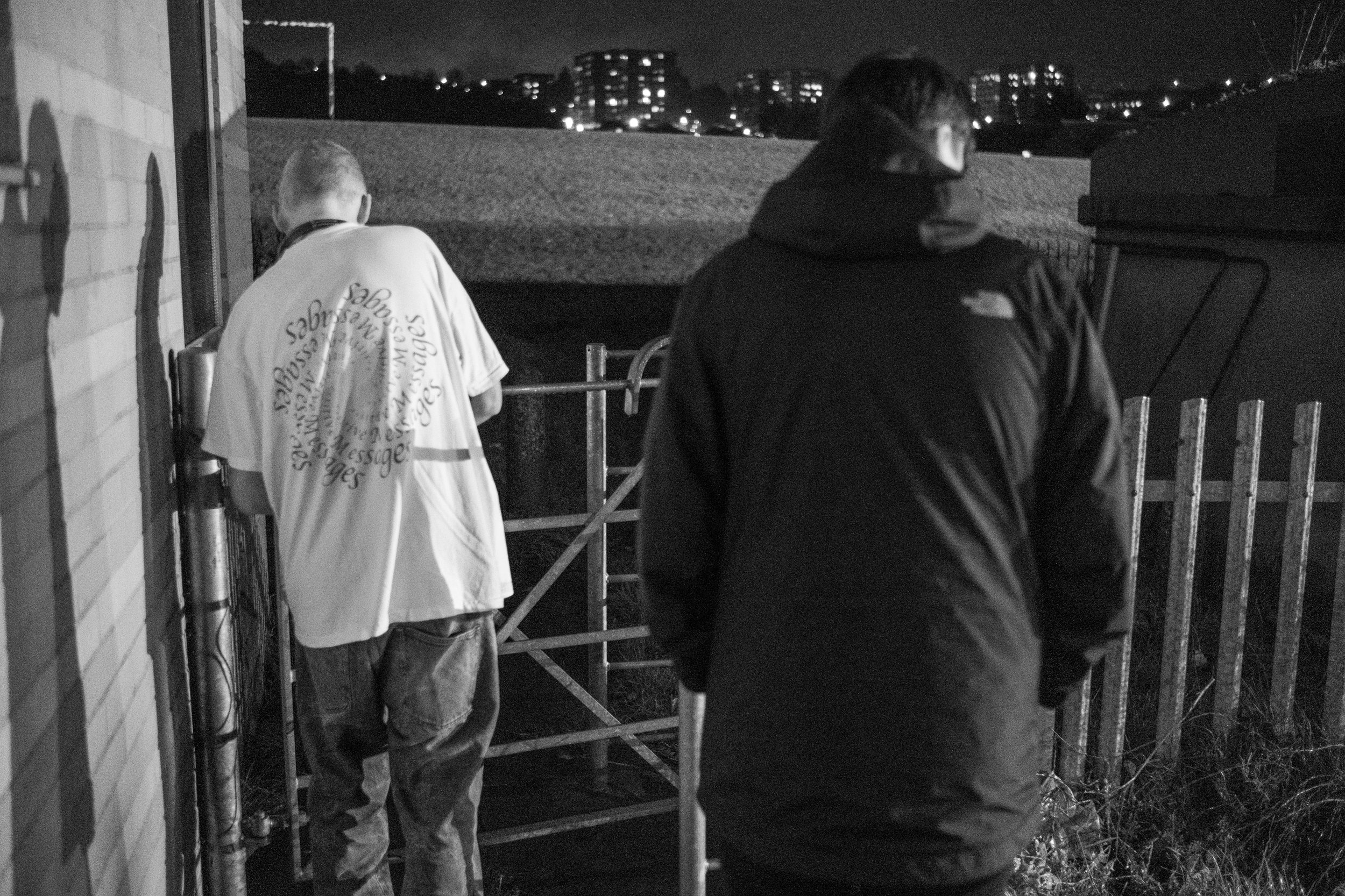
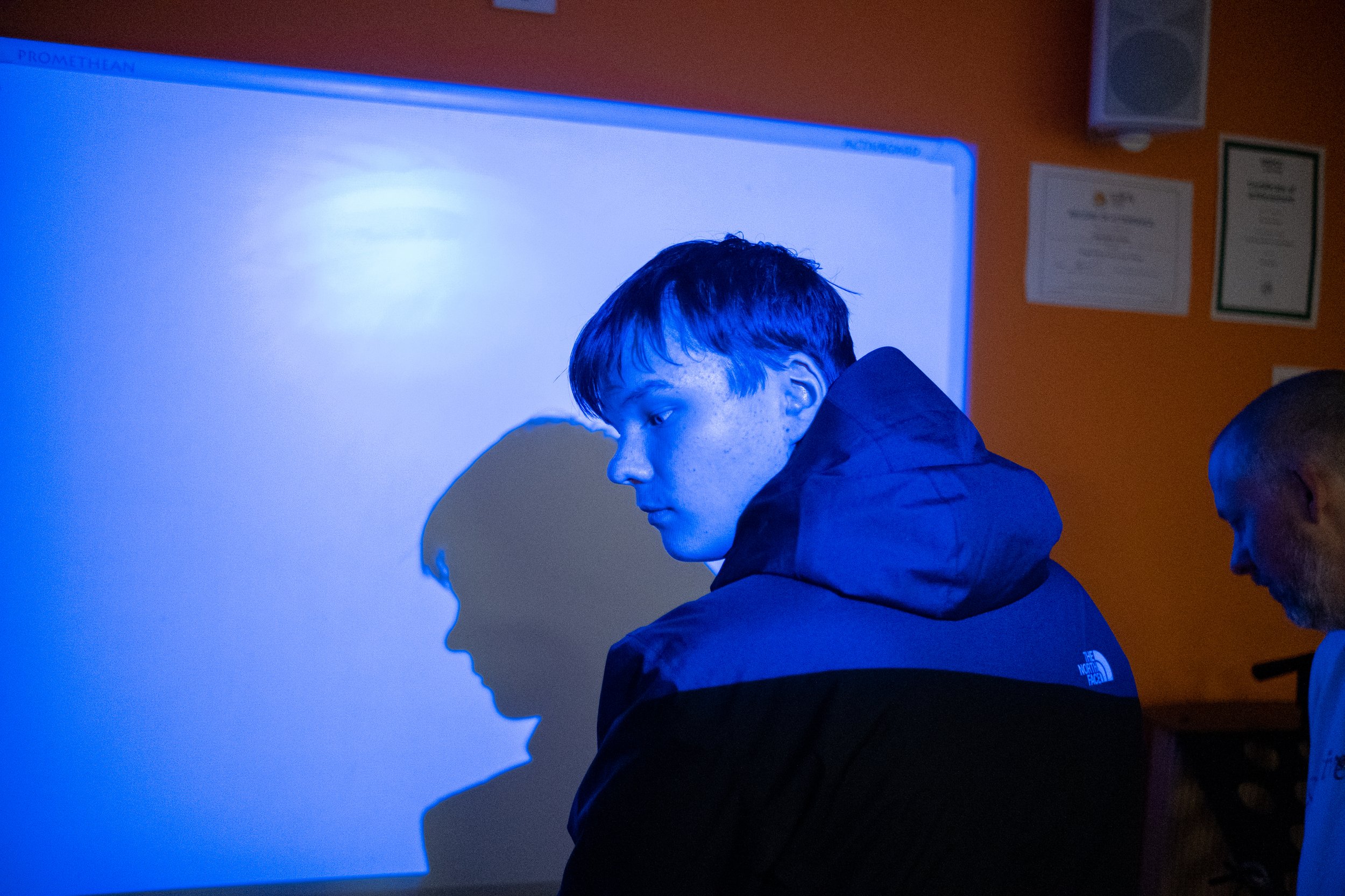
I’m excited about this project, it feels important in ways that are obvious but others that aren’t (yet) and I have ambitious hopes for what it could be. It coincides with a period of intense creative expansion and learning for me and it feels right that these two things should be happening at the same time. I’m excited to share it with young people in Whitehawk, I bet I’ll learn a lot from my young collaborators. Here are some more pictures from that first session, all taken by Jack Nielsen at The Crew Club.
Finally thanks to The Crew Club for their support and all the work they do in Whitehawk.

I’ve only witnessed Shoreham Power Station do this once before. Huge fluffy white clouds billow out from vents, and a midrange drone echoes around the space. I’m positioned on the pavement and large lorries pass fast behind me making me wobble. Listening back I’m struck by how the roaring vents, trucks and wind churned sea all blur and blend in to a pleasing soundscape. Occasionally small birds chatter and tweet along with the sounds of industry.
I’m thinking about the chapter in Mark Peter Wright’s brilliant Listening After Nature, about the ‘Noisy-Nonself’. How my instinct is to erase all signs of my being here in this recording moment. As if the mic just became, and made this recording under its own volition. As I write this my hood, pulled up to keep out the ferocious wind, flaps and ripples, and instantly I fear for my recordings’ purity, as if it will lose its worth and value if my presence is discovered. More thinking needed on this matter but I love where it takes my mind.


The sea wall from the beach
The sea wall runs for a short stretch along Basin Road South. Brown slabs of pebble dash concrete about 2 meters high with a slight curve towards the sea at the top. I place my microphone on the pavement facing this structure and press record.
It’s along this stretch that lorries park up, there are often many here over night and I assume the drivers sleep here in between long journeys. As I kneel down to set up my microphone my nose picks up a faint scent of shit. Fox or human, I don’t know.

The sea wall from the road
It’s a beautiful sunny morning, the heavy rain has eased but the wind is still strong and the sea is left churned up and busy. As I stand here on the road, also busy with passing cars and lorries, I can hear the roar of the sea over the wall, the in and out breath of the waves, the crash and white noise sizzle of pebbles being thrown and dragged.

The sea wall from the beach on a grey day
In the distance I hear the scraping of metal machinery against shingle. The sounds of the latest sea defence work further to the West.
The road gets busier. A Day aggregate truck pulls up and idles. Constant trucks and other vehicles passing. Cyclists hugging the gutter to avoid the angry sounding Diesel engines and screech of hydraulics. A vehicle reversing alert bounces off the wall. Beeps replaced with a sort of screeching sound. I wonder about the research that led to this change. Maybe this new sound carries less and was found to be less intrusive. It sounds like an angry dinosaur.
A brief calm. Dripping behind me. Waves over the wall. A creaky cyclist passes.

The sea defence wall from the beach
I’m interested in this sea wall and the acoustics of it. What it does to the sounds either side of it. Does it contain the sound of the sea as well as its physical power? I’ve been wondering for a while about blasting sounds at that structure. This recording uses contact microphones to tune in to the physical vibrations of the material.
Sound Search is a game for a small group to play outdoors, ideally in the woods at night.
One person takes the role of searcher and the rest of the group each choose a small noise maker and go off and hide. Once hidden they play their instrument whilst the searcher uses sound alone to try and find them.
I just found this recording from a camping trip in Chailey Woods in 2018 where I got a group of friends to try Sound Search. I’m not sure how well it worked as a game, but I love the spatial dynamics of the recording; the natural sounds, the percussion, distant fireworks and a nearby owl all take me back to that evening and remind me that I forgot to pack a sleeping mat!
The passage leads from Basin Road South to a raised pebble path that runs parallel to the shore. The acoustics of this thin space, large weathered grey concrete blocks on one side and ugly metal fence on the other, funnel the roar of the sea which increases in power until you exit and feel the full intensity.

The rain is heavy today, seeping through my waterproofs to my skin. I’m testing a new rain cover for my microphone and I’m a bit apprehensive putting my faith in it under these conditions but I’m holding out for a little while longer.
As I stand at the entrance to the passage, behind me I hear the familiar mix of port vehicles and cars, and the steel depot’s heavy machinery a distant drone. Often when I walk down this path I feel like I’m leaving one world and entering another, but today in the middle the two worlds blur, roaring sea trucks on slick wet roads.
I’m too wet now and ready to cal it a day. My thoughts distracted by Victoria’s trip to the hospital. I’ll come back to this another day.
“The ‘Source of Uncertainty’ module providing an electronic breeze ”
Electronic Breeze is released on Lo Recordings on the 14th of October. (get it here) I wanted to share a bit of background on the making of the two durational environmental sound pieces that make up the release.

Image by Alma Haser
I’d been invited me to work on an environmental sound piece for an exhibition space at The Lowry in Manchester. The brief was simple, a 12 minute track, lush but minimal ambient inspired, maybe some wind chimes but no whale song or running water. I was also given mock up images of the space itself, a ‘pop up’ Maggie’s Centre designed by Ab Rogers.
I immediately cringed at the thought of wind chimes. Initially such a cliche of ambient/New Age music jarred with me and I wasn’t sure how I could work with that direction. Regardless of my concerns I started researching and found some that looked nice (By a company called Zaphir) and stated the notes of each metal tine. I wondered what I could with the idea of wind chimes to steer clear of the obvious.
I’d already decided that a 12 minute piece looping in a public space would get repetitive very quickly, so I began working towards something longer, possibly using a generative composition technique that would create a long evolving piece with controllable moments. My main instrument, the Buchla Electric Music Box synthesiser, lends itself to this approach.

Image by Dominic Goodman
Slowly a compositional idea started to form; I would create two pieces to be used at different times of the day, each using a different set of wind chimes, with subtle electronics that would loosely mirror those chimes.
I programmed the Buchla Synthesizer with the notes from each wind chime and created a generative self playing patch. If left alone this setup would play forever, randomly playing back those preprogrammed notes, never repeating itself. The ‘Source of Uncertainty' module (a key element of the Buchla modular synthesizer) providing an electronic 'breeze' to activate and modify the notes. My role as a performer involved directing how this breeze would affect certain properties of the electronic sound - the intensity, speed, pitch range, amplitude envelope (fast/slow attack, sustained or short), timbre and position in the stereo field. This material was recorded first.

Patch sheet and notes
I then added Kalimba via the Ciat Lombarde Cocoquantus, a cosmic lo-fi looping device. This added a dusty warm fuzzy character, sometimes happy to sit in the background, with occasional musical motifs peeking out and interacting with the Buchla electronics.
The wind chimes were added last. I let the Buchla electronics track guide the intensity and timing of the performance of these, continuing the idea of the electronic breeze running through these pieces.
At all times I was conscious of the space in which this music had to exist and how it would be experienced by the people using that space. It had to be quite contained - too dynamic and it would be a distraction, possibly even annoying. On the other hand I knew the space would be multi purpose, some people might be there to relax whilst others might use the space to work, and so I wanted it to have moments of calm contrasted with the occasional gentle flourishes, like little mind activators. I spent a lot of time getting this balance right both in the performance and the mixing, the latter requiring space and time to live with the material.
It’s taken some time to get to this point of release but I’m so glad I could share it via Lo Recordings working with my friend Alma Haser who created the stunning cover artwork mixing photography and paper sculpture.

Cover by Alma haser
Maggie’e Centres provide :
Free practical, emotional and social support to people with cancer and their family and friends, following the ideas about cancer care originally laid out by Maggie Keswick Jencks. Our Centres are places to find practical advice about benefits and eating well; places where qualified experts provide emotional support; places to meet other people; places where you can simply sit quietly with a cup of tea.
It was important that my music connected with the positive philosophies of Maggie Keswick Jencks, and contributed to a space that would be stimulating, elevating and inspiring.