Two Knocks For Yes live photos

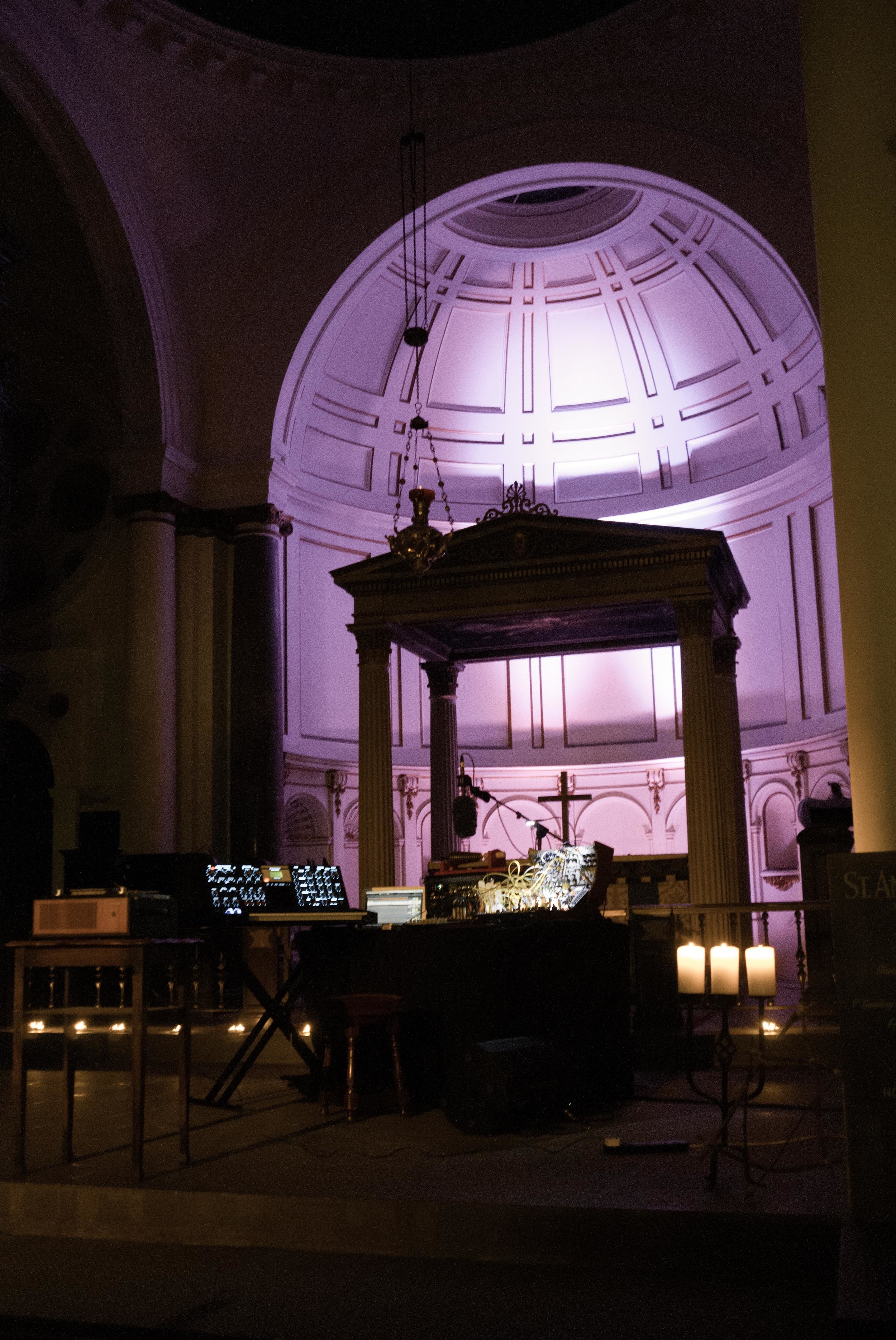
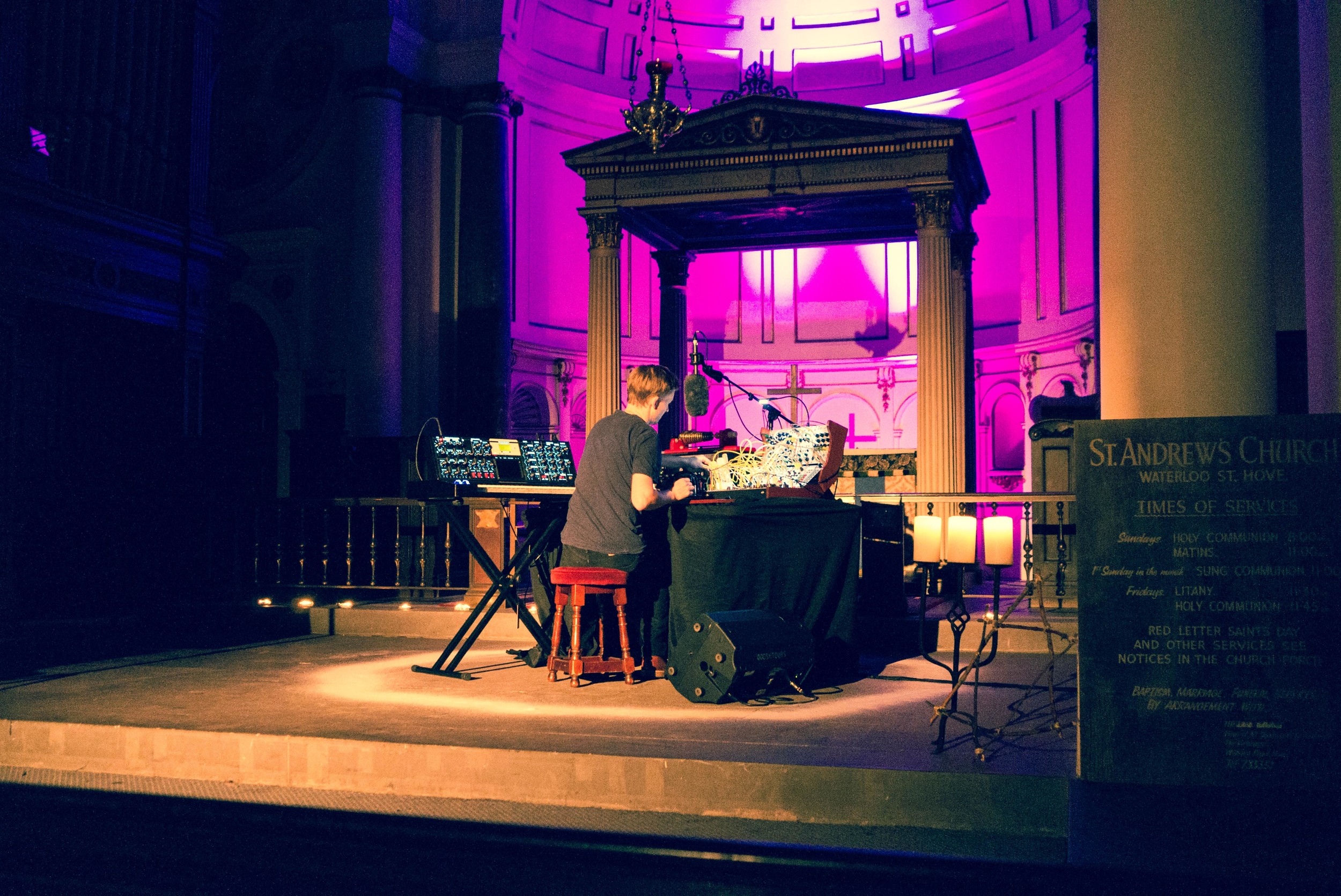
Last Friday saw the culmination of weeks of preparation with the public performance of Two Knocks For Yes at St. Andrews Church. The team were pleased with a (nearly) full house and the evening went by without a hitch, apart from a dry ice machine overheating which led to a huge cloud of dry ice rather than the planned mist floating across the floor and down the steps of the altar. 

It was an absolute treat to perform in such an atmospheric space. The Buchla shook the wooden pews and bounced around the stone walls. I even got a chance to make an impromptu improvised recording when I had half an hour alone whilst everyone had gone for dinner and before the audience arrived. 

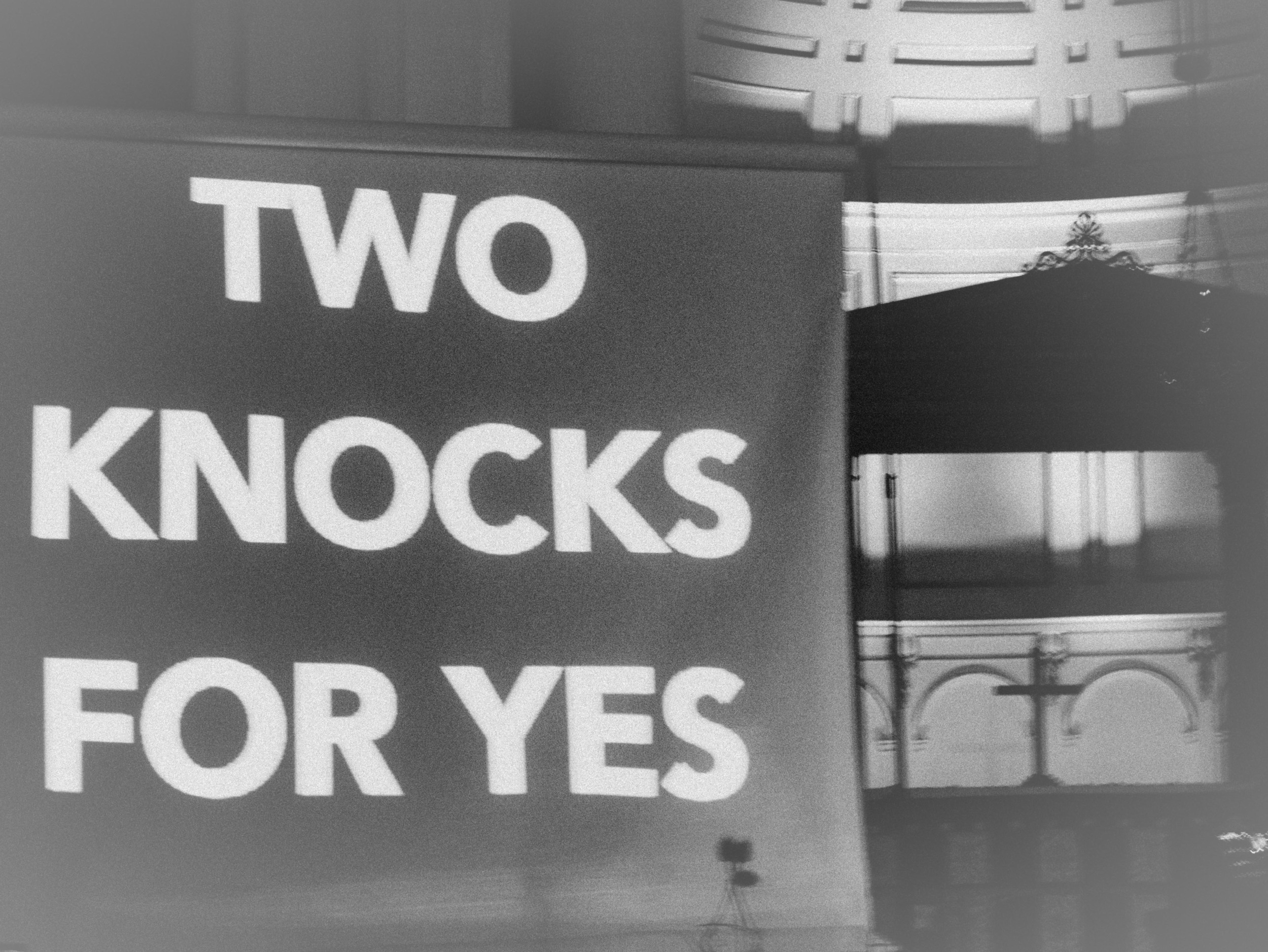
As well as my performance of Two Knocks For Yes, there was an intriguing found tape recording of a scientist talking about some strange experiments, a talk on the folklore of water and death by James Burt, and some shared ghost stories from the audience. We learnt a lot from this first show and will be working towards expanding it for future outings. 

The best thing about the whole event was getting a rare opportunity to work with my brother Curtis James, who instigated the project and made it happen (and hosted on the evening). It took me back to our teenage years working the lighting and sound for school plays. 
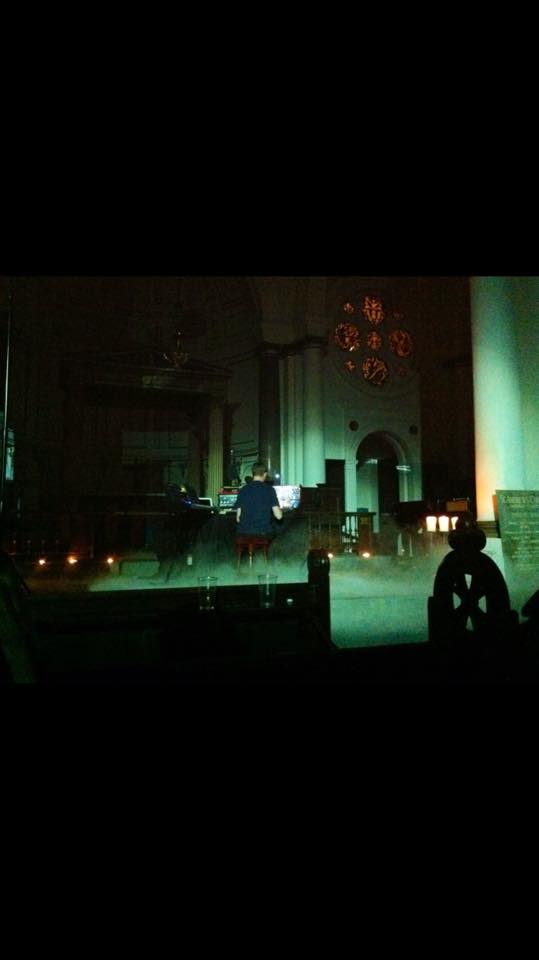
Photos by Dominic Butler and DJ Food/Strictly Kev
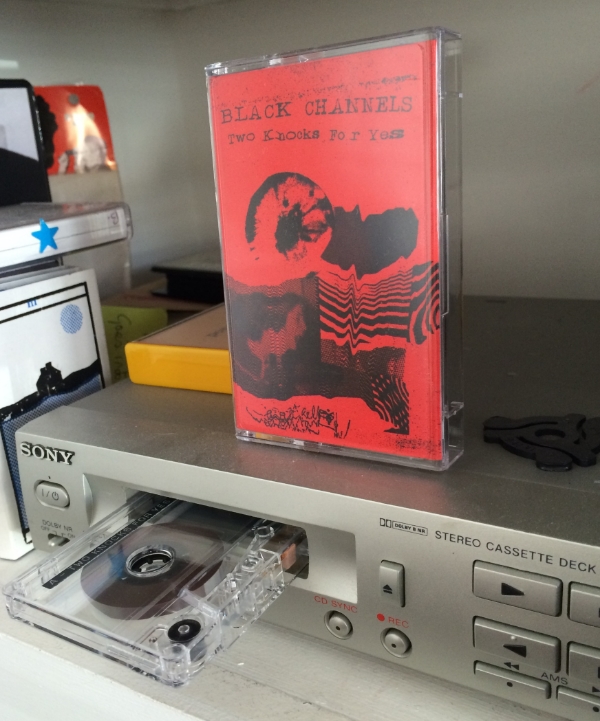
Two Knocks for Yes cassette release

Radiophonic investigation in to the poltergeist phenomenon gets a limited cassette release on Castles in Space, just in time for Halloween. The Buchla 200e Electric Music Box is used to haunting effect providing otherworldly tones, presences and vibrations. The B side features instrumental incidentals for ghost stories. Available mid October. Pre-order here.

I'll also be performing Two Knocks For Yes at Saint Andrews Church, Brighton (UK) on the 23rd of October. More info here.

Sleeve designed by Nick Taylor.

The School is Full of Noises

An interesting (if slightly limited) exploration of experimental music in the classroom. Back in the '60s kids got the opportunity to experiment with tape machines and play with bringing stories to life using sound and what some call 'challenging' composition. I hope this still goes on in classrooms today, but I have a funny feeling it probably doesn't. I was lucky enough to have a music teacher that had some synthesizers and who also invited a group of musicians in to show off their samplers and drum machines - I was pretty much hooked instantly by this exciting world of playing with sound and music that didn't involve playing the guitar or violin. Thanks Mr.Hayter.

How did tape loops, recycled everyday sounds and countless other weapons of the avant-garde find their way into school music lessons during the 1960s? That's the challenge for Ian McMillan as he sets out on the trail of one of music education's more unexpected byways.

Listen here - link will probably die at some point.....

Sounds of our Shores

Earlier in the year I entered a sound recording of Brighton's Palace Pier Ghost Train to the National Trust/British Library Sounds of our Shores project. The project aims to create a coastal sound map of the UK using sounds recorded by the public. It is a neat idea and there are some lovely sounds gathered already. Anyway, my sound has been selected as one of the top ten favorite sounds, and voting has now opened to find THE No. 1 favorite sound of our shores.

If you feel inclined please VOTE HERE (the form isn't the neatest design, but move to the 2nd page to find and listen to the sounds).

To those who know me, the Ghost Train is probably a pretty obvious choice, but as well as being a dynamic evocative sound in itself (the clackety clack, compressed air, shrieks and howls), the recording has a personal connection for me. I grew up in Brighton and remember my first 'late night' out with my gran (who always took me and my twin brother on new adventures) and as if it wasn't exciting enough to be out after dark as a child, to then ride the ghost train sealed that magical memory forever. I've been fascinated by ghost trains ever since.

The Beam enters The Science Museum

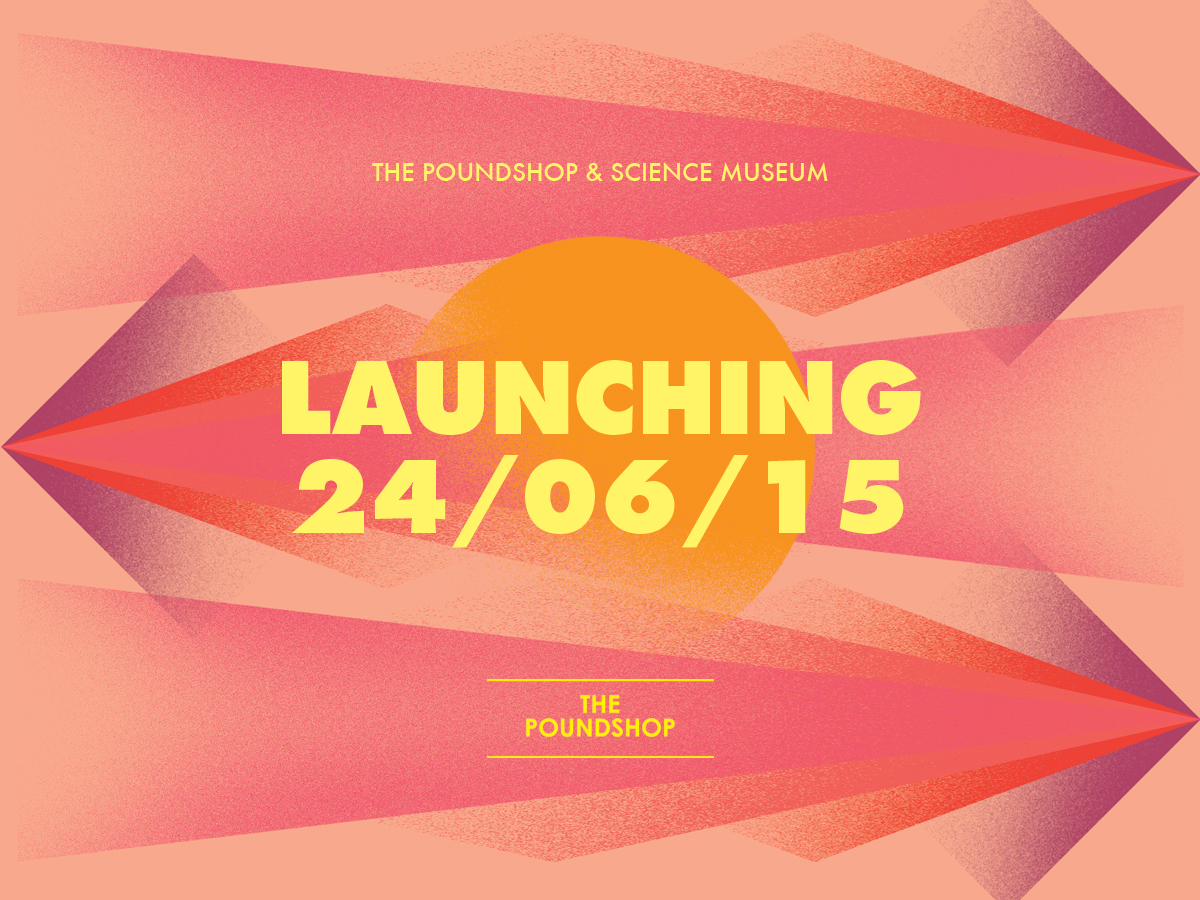
Copies of The Simonsound science fantasy escapism record 'The Beam' will be available to buy at London's Science Museum from the 24th of June as part of The Poundshop.

The Poundshop is an art project with the goal of spreading design to a wider audience and create a platform for designers to sell their items with minimal risk in our pop-up shops. The Poundshop creates a bespoke interior for each shop and curates a unique product range selling wares that are well designed and have a function for the fantastic prices of £1, £5 and £10.

I have to admit to a sense of excitement at having this particular record for sale in a place that is full of science wonder and space adventure. It feels like the perfect home. I'm hoping to attend the launch event which coincides with Science Museum Lates, which this month explores The Next Big Thing.


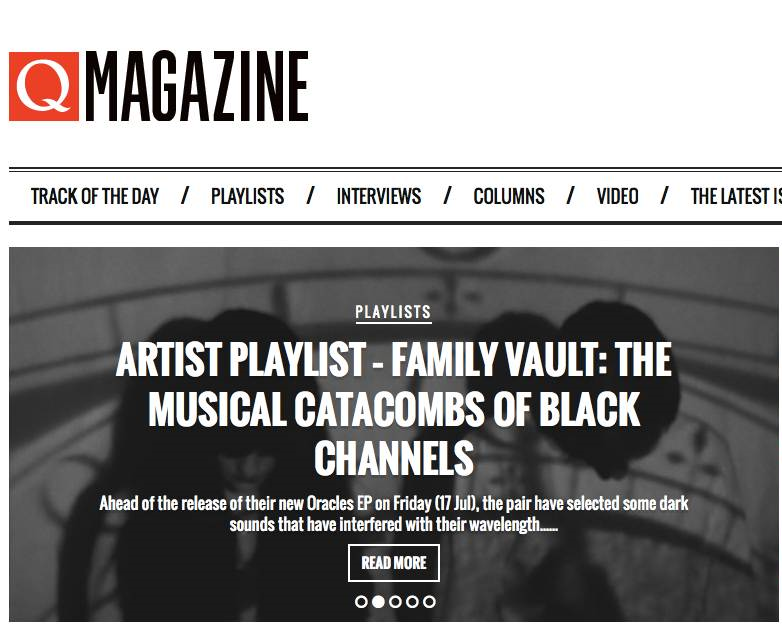
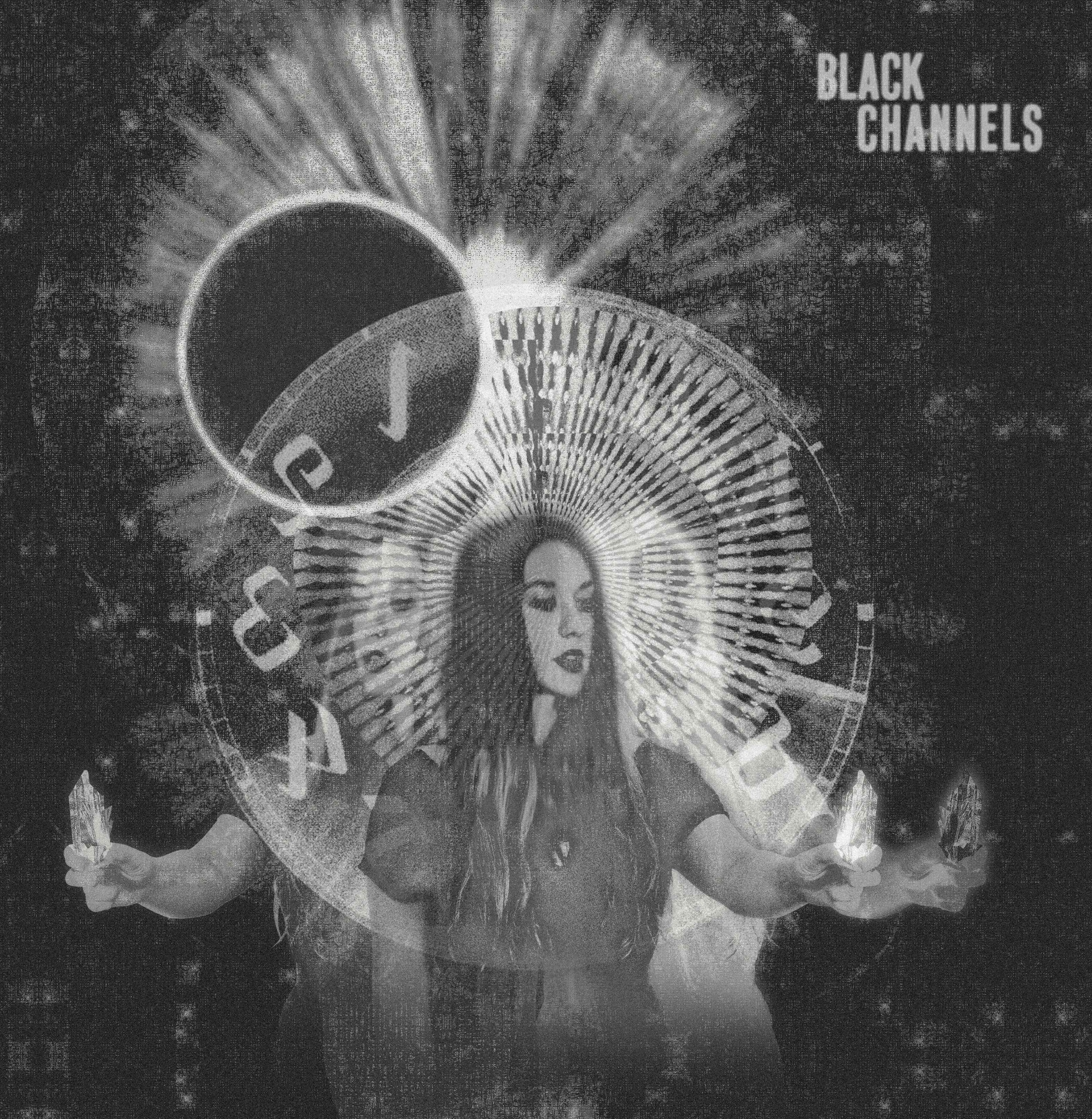
black channels 10" on Death Waltz Originals

I'm pleased to be able to announce that my project with Becky Randall is getting its first physical release on Death Waltz Originals (Death Waltz is the soundtrack re-issue label which has previously released records by John Carpenter, Ennio Morricone and Clint Mansell). The 10" vinyl will feature 3 tracks and will be available in a limited edition and standard edition on the 17th of July 2015.

Here is the sleeve artwork by Luke Insect.

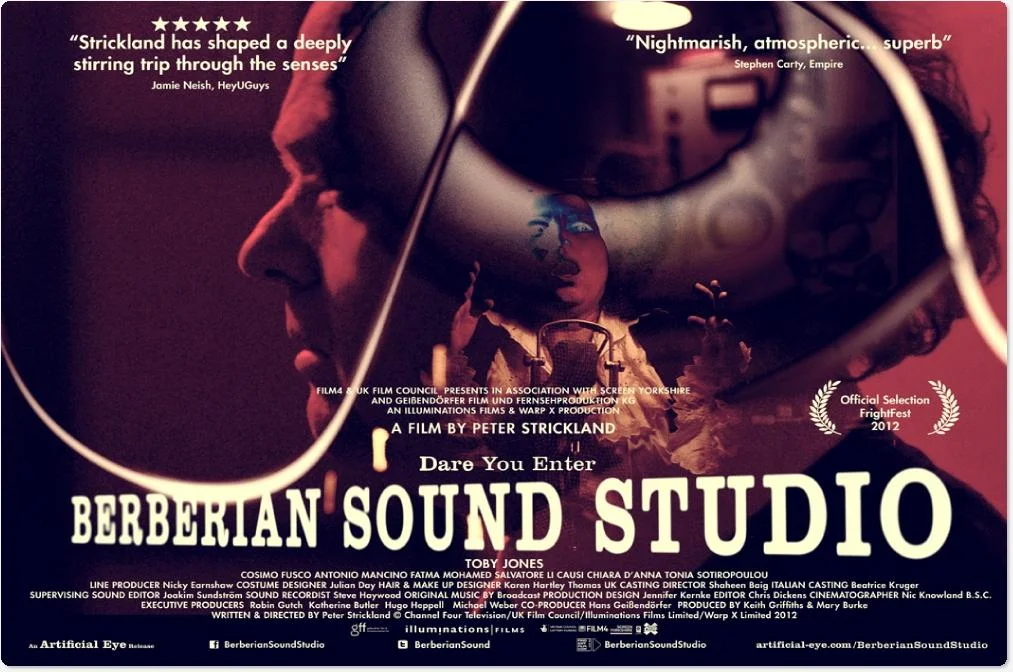
My favorite soundtracks - Berberian Sound Studio (2012)

This film is all about loops. Tape loops & narrative loops. As ghostly fragments of sound echo and distort on tape spools, the story of a British sound engineer out of his comfort zone in a 1970s Italian horror film studio unravels within the hazy mist of a nightmare. We watch as Gilderoy struggles to cope with the dark nature of the film within a film, 'Equestrian Vortex'.

The band Broadcast are the perfect match for this, their music has always mined and ultimately transcended the rich seam of strange soundtracks and library music of the '60s and '70s. This film blends music and sound design in such a way as to blur those boundaries to brilliant effect. A real treat for sound and music lovers.


My favorite soundtracks - Utopia (2014)

I just picked up the Utopia series 2 soundtrack album on Record Store Day. I have to admit that I don't like all of the music from the brilliant Channel 4 TV series. Some of the more uptempo cues veer on the wrong side of cheese for me and those off beat chords always make me think of bad reggae, BUT all of that can be forgiven due to the absolutely astonishing amount of programming and sound design that really makes this soundtrack shine. There are so many off the wall and unexpected sounds that creep in to every cue, twisting and mutating like the story it underscores  - a truly original piece of work. Fragments of voices (sampled voice is used heavily throughout the work), manipulated choir, squelchy bass lines, found percussion and loads of distortion feature throughout, but it is the more subtle cues that really standout for me.

Vinyl copies are pretty scarce (It was released as a limited edition issued for Record Store Day), but if you search hard enough I'm sure you'll uncover a copy.

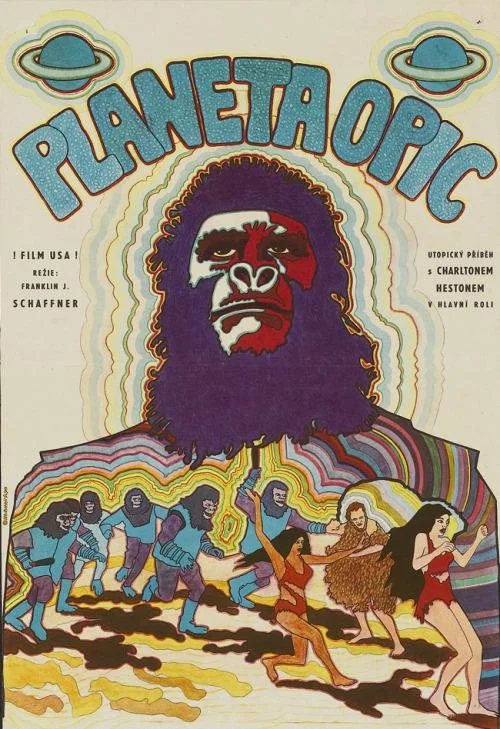
My favorite soundtracks - Planet of the Apes (1968)

Jerry Goldsmith's percussion heavy soundtrack for Planet of the Apes took avant-garde dissonance and techniques from musique concrete in to the cinema. Echoplex strings, stainless steel mixing bowls, swirling violent violins, bursts of piano and a host of percussive instruments conjured up this 'other world' that was familiar and yet so totally alien.

The film's mind bending climax (penned by The Twilight Zone's Rod Serling and which tapped in to society's heightened fear of nuclear annihilation) stunning Oscar Award winning make up and costume design and Goldsmith's Oscar nominated score helped Planet of the Apes break box office records.


My favorite soundtracks - Mala Morska Vila (1976)

This Czech version of the Hans Christian Anderson Little Mermaid fairytale is the most dreamlike realisation of an underwater world you will ever see on the screen. The Zdenek Liska soundtrack is haunting, mixing orchestral and electronic elements that resonate with the intensity of the sea. There are deep electronic oscillations in here that feel like living organisms, and tightly filtered tuned white noise is used to dramatic effect. Composer Liska also used on set recordings effected and manipulated to add yet another layer of unreality.

The film itself is currently unavailable to buy.  The full soundtrack can be purchased from obscure soundtrack hunters Finders Keepers, whose Doug Shipton I have to thank for introducing me to this masterpiece of European cinema.


My favorite soundtracks - Forbidden Planet (1956)

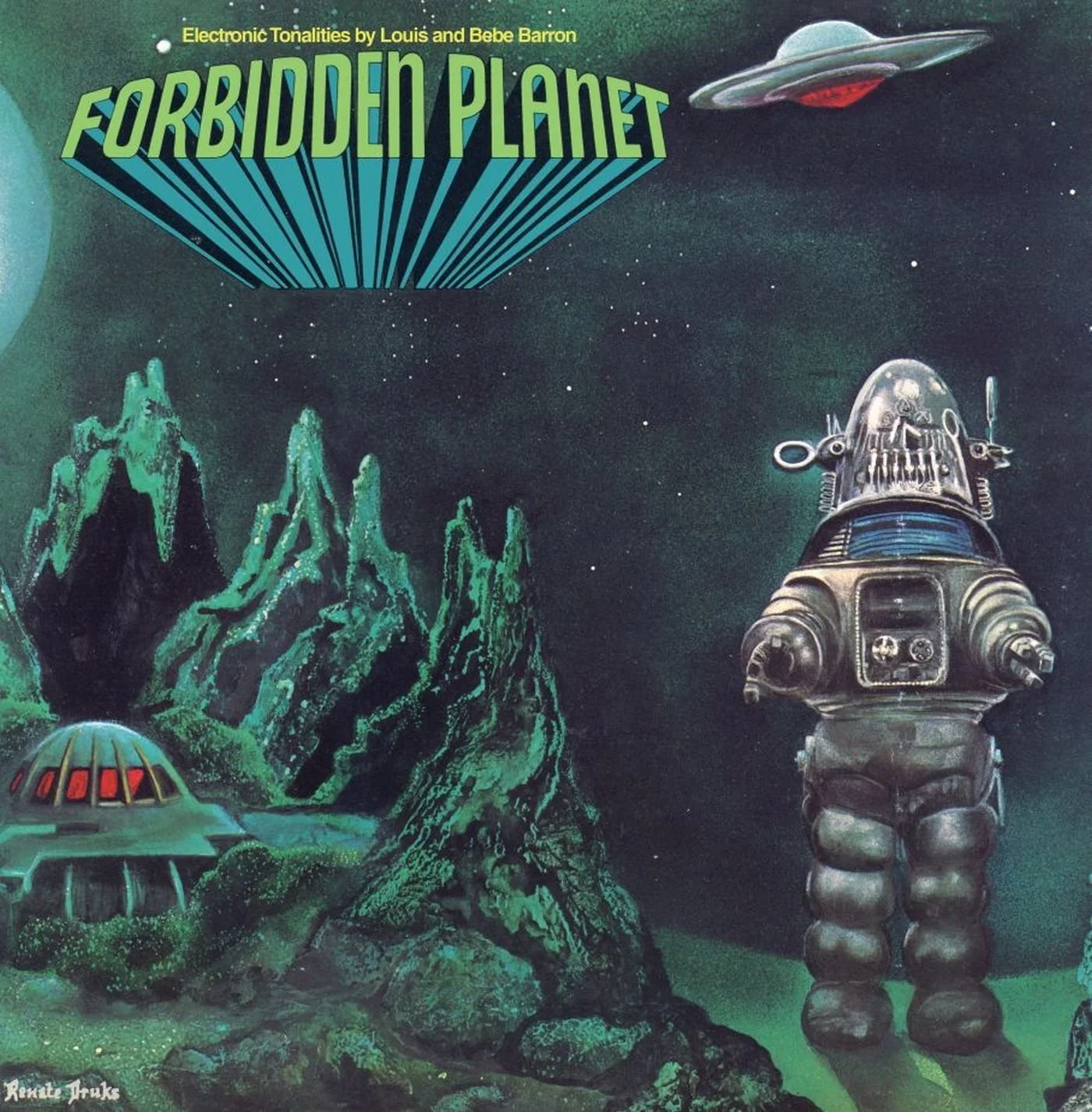
It's easy to forget just how pioneering this soundtrack was at the time.  The use of electronic sound and music within films was relatively unheard of, and Forbidden Planet's soundtrack was the first to be comprised solely of electronic sounds, most of which could be quite challenging to general listeners heard in isolation.  Of course similar electronic experimentation was going on at this time, but none that reached the audiences of a major motion picture from MGM.  The richness and range of sounds that Louis and Bebe Barron conjured from their basic analogue oscillators is inspiring and perfectly complimented the strange futuristic world visited in the films story.  There was a bitter twist to the story though as movie execs downgraded the Barrons' credit to 'Electronic Tonalities' which they believe robbed them of an Oscar nomination.

Buy the album here.

Listen to this brilliant BBC radio documentary about the soundtrack and the Barrons, by Ken Hollings.